L&L Hawaiian Katsu Sauce Recipe
My husband picked up a plate lunch from L&L Hawaiian Barbecue every Friday for two years. He always ordered the same thing: chicken katsu, extra sauce on the side. That habit is why I started testing my own L&L Hawaiian Katsu Sauce Recipe last spring.
We moved away for a job transfer, landing in Ohio during a cold October. The nearest L&L location sat four hundred miles east of our new place. My husband sulked about it for a solid month, mostly at dinner.
I finally told him I would figure out the sauce myself. No more sulking at the table allowed. I grabbed a notepad, sat at our kitchen counter, and started guessing ratios. Four bottles from the pantry came out before the stove even turned on.
What Is Hawaiian Katsu Sauce?
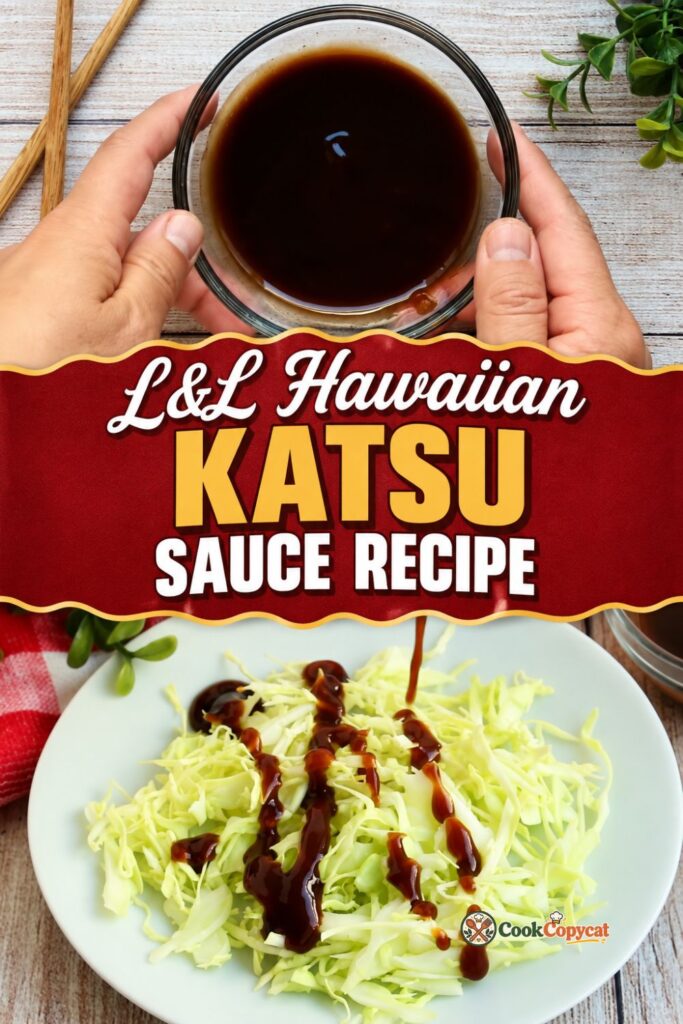
L&L Hawaiian Barbecue started in Hawaii in the 1970s, as a small plate lunch spot. Chicken katsu became one of their most ordered plates over the years. Their katsu sauce is thick from ketchup and slightly sweet from added sugar, made for dipping panko-crusted chicken.
Regular tonkatsu sauce from Japan leans heavily on Worcestershire and tastes tangier. The L&L Hawaiian Katsu Sauce recipe leans more on ketchup, so it turns out sweeter and thicker. Mushroom stir-fry sauce gives it a deeper, almost savory background note ketchup alone can’t provide.
Ingredients for L&L Hawaiian Katsu Sauce
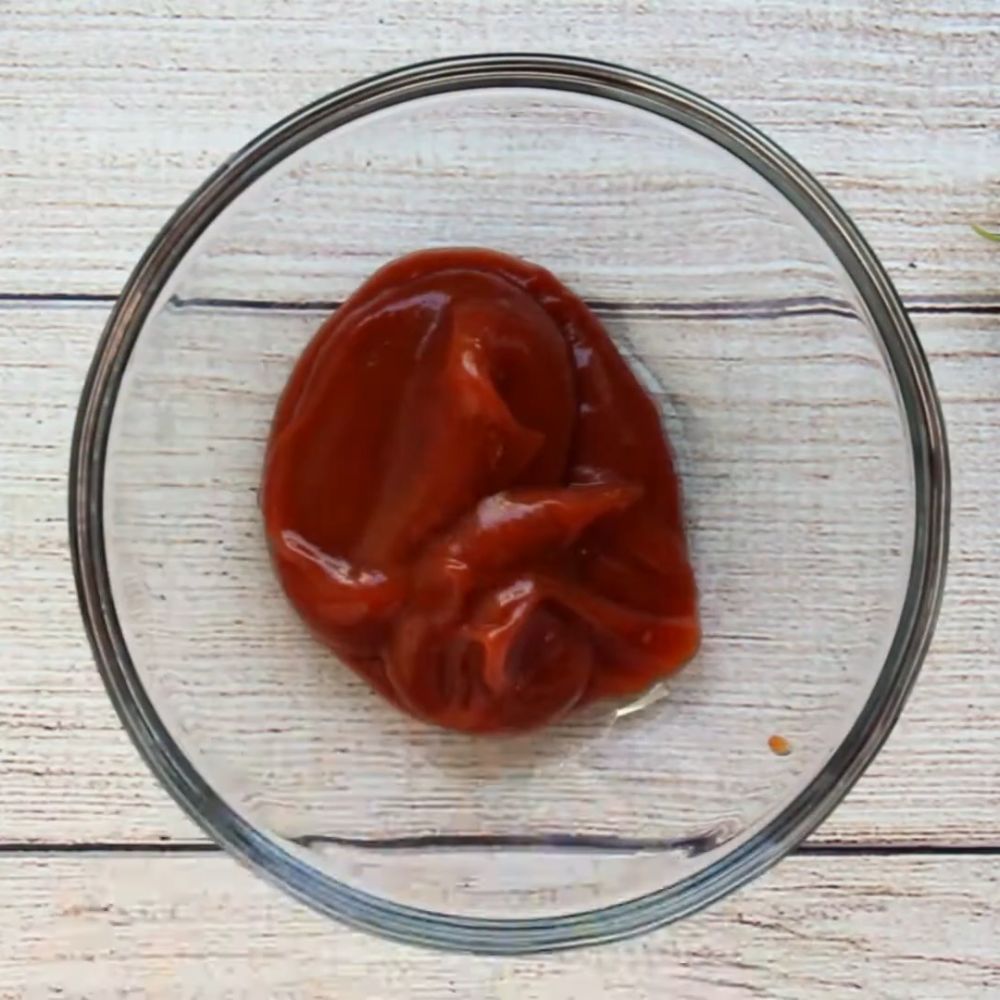
4 Tablespoons Ketchup: This forms the tomato-sweet base of the whole sauce and gives it that classic red-orange color you expect. I always reach for Heinz, since the tang stays consistent bottle to bottle. Store leftovers in the fridge door, not the pantry, once opened.
Swap in a sugar-free ketchup, like G Hughes, to cut the carbs. The texture stays nearly identical, though the color turns a touch more orange than red.
3 Tablespoons Worcestershire Sauce: This adds the tangy, fermented backbone that keeps the sauce from tasting flat. Lea & Perrins is the bottle in our fridge door, since the anchovy base gives it depth. Shake it well, since spices settle at the bottom over time.
1½ Tablespoons Mushroom Stir-Fry Sauce: This ingredient brings a savory depth ketchup and Worcestershire can’t reach alone. Lee Kum Kee’s vegetarian mushroom stir-fry sauce is the one I keep stocked, since it thickens the sauce too. Swap in hoisin sauce for a slightly sweeter, darker version.
2 Teaspoons Brown Sugar: This is the sweetener that balances the tang from the vinegar-based sauces in this mix. I use light brown sugar from Domino, since it dissolves fast when whisked warm. Swap in monk fruit blend for a lower-carb version, cup for cup.
½ Teaspoon Garlic Powder: This rounds out the savory notes and keeps the sauce from tasting one-note. McCormick is what sits in my spice drawer year round. Fresh minced garlic works too, changing the texture from smooth to slightly chunky and a bit more pungent.
¼ Teaspoon Ground Ginger: This adds a faint warmth in the background, without turning the sauce spicy. I keep a small jar of Simply Organic ginger just for this recipe. A little goes a long way, so measure it carefully, not by eye.
2 Tablespoons Water: This thins the sauce down to a pourable, dip-friendly consistency for chicken katsu. Plain tap water works fine here, no need for anything filtered or bottled. Add it slowly, since too much turns the sauce watery instead of glossy and thick.
⅛ Teaspoon Black Pepper: This adds a small bite at the very end, right before the sauce reaches the plate. Freshly cracked pepper from a grinder tastes sharper than the pre-ground kind sitting in most cabinets. Skip it for a milder, kid-friendly batch of sauce.
¼ Teaspoon Toasted Sesame Oil: This adds a nutty aroma that rounds out the sauce right before it hits the table. I use Kadoya, since a little goes further than other brands on the shelf. Leave this out entirely for a lighter, more ketchup-forward version.
Together, these nine ingredients make a sauce that pours smooth and clings to fried chicken without turning gluey or greasy. Nothing here needs a special trip beyond a regular grocery run, not even an Asian market or a specialty aisle.
Equipment You’ll Need
- Small mixing bowl: whisks ingredients smoothly together
- Measuring spoons: precise for small amounts
- Whisk or fork: blends everything even
- Small glass jar: for storing leftovers
- Small saucepan: only for the optional warm step
How to Make L&L Hawaiian Katsu Sauce
1. Set Up Your Station: Pull out a small mixing bowl, a set of measuring spoons, and a whisk before starting anything else. This sauce comes together fast, so having everything within reach saves a mad scramble at the counter.
2. Measure the Wet Sauces: Pour 4 tablespoons of ketchup, 3 tablespoons of Worcestershire sauce, and 1 1/2 tablespoons of mushroom stir-fry sauce into the bowl, in that order. Measure each one separately, since eyeballing throws off the whole balance fast, and mushroom stir-fry sauce is potent.
3. Whisk in the Sweetener and Spices: Add the brown sugar, garlic powder, ground ginger, sesame oil, and pepper, then whisk until fully smooth. Keep going until no gritty sugar sits at the bottom of the bowl, about thirty seconds of steady whisking.
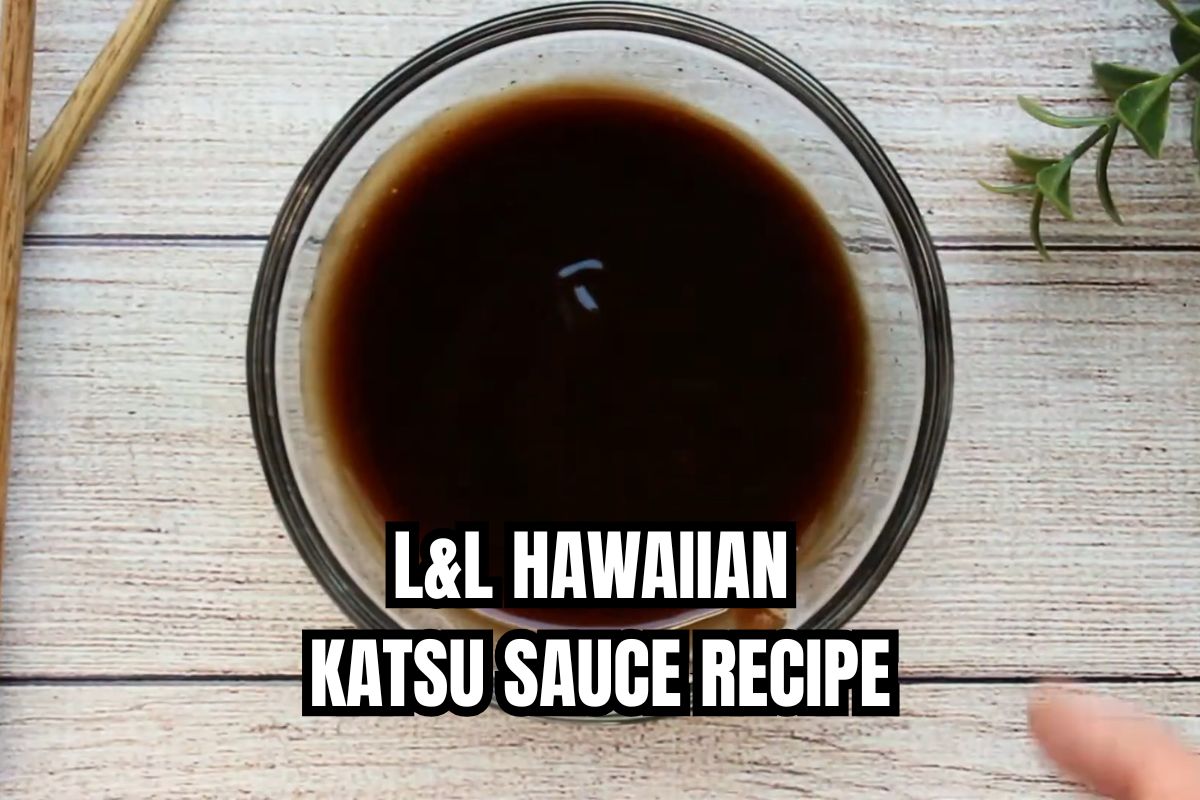
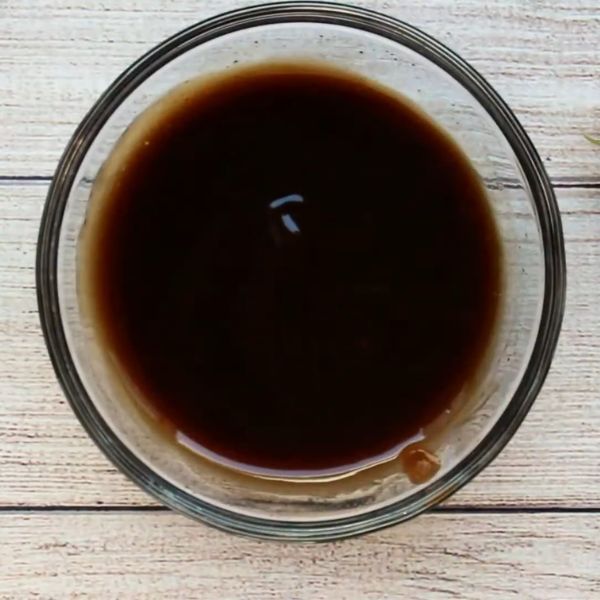
The mix should turn a deep reddish brown, glossy, with no visible sugar grains left.
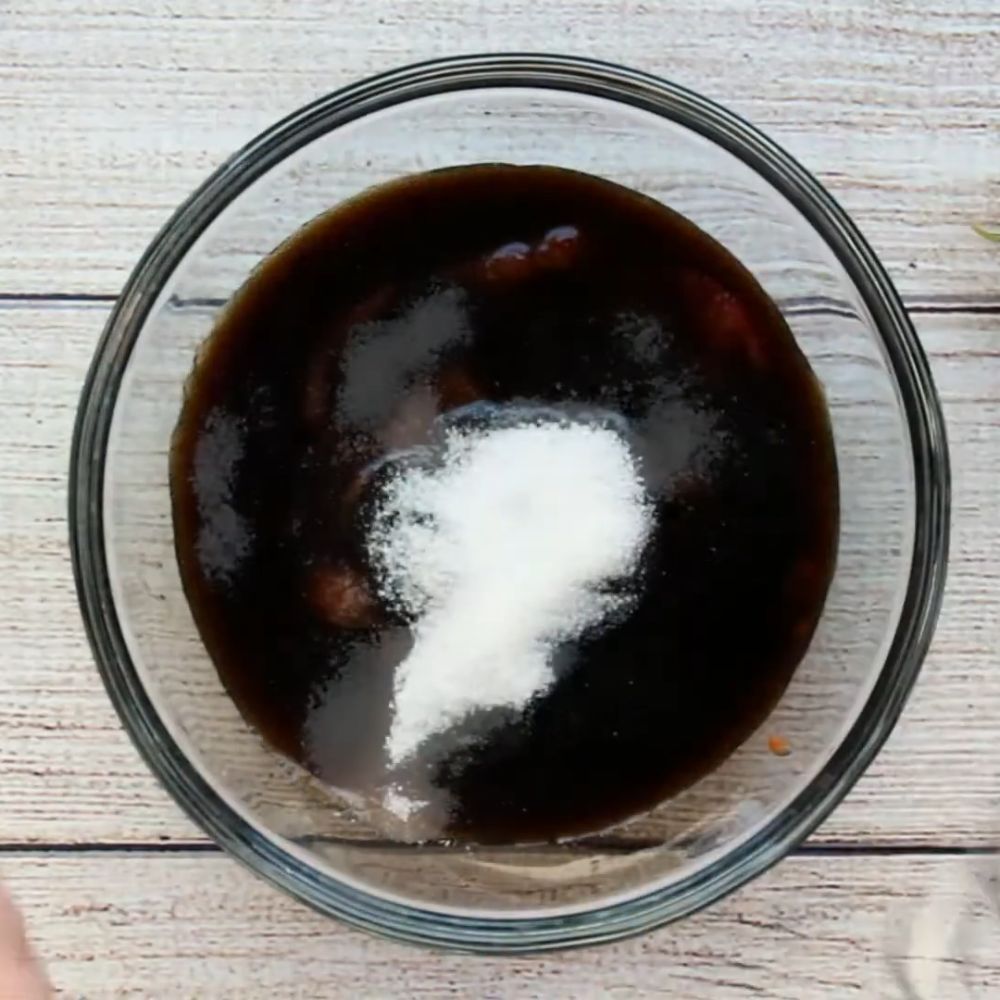
4. Thin the Sauce With Water: Whisk in the water one tablespoon at a time, checking the texture after each pour. This keeps the finished sauce pourable, instead of thick like tomato paste straight from the can. Most batches need the full two tablespoons.
5. Taste and Adjust: Dip a clean spoon in and taste the sauce plain, before any chicken touches it at all. Add a touch more sugar for a milder batch, or more Worcestershire sauce for sharper tang. Wait a beat between each small adjustment.
My very first batch turned out too salty from a heavy-handed Worcestershire pour. An extra teaspoon of sugar and a splash of water fixed it.
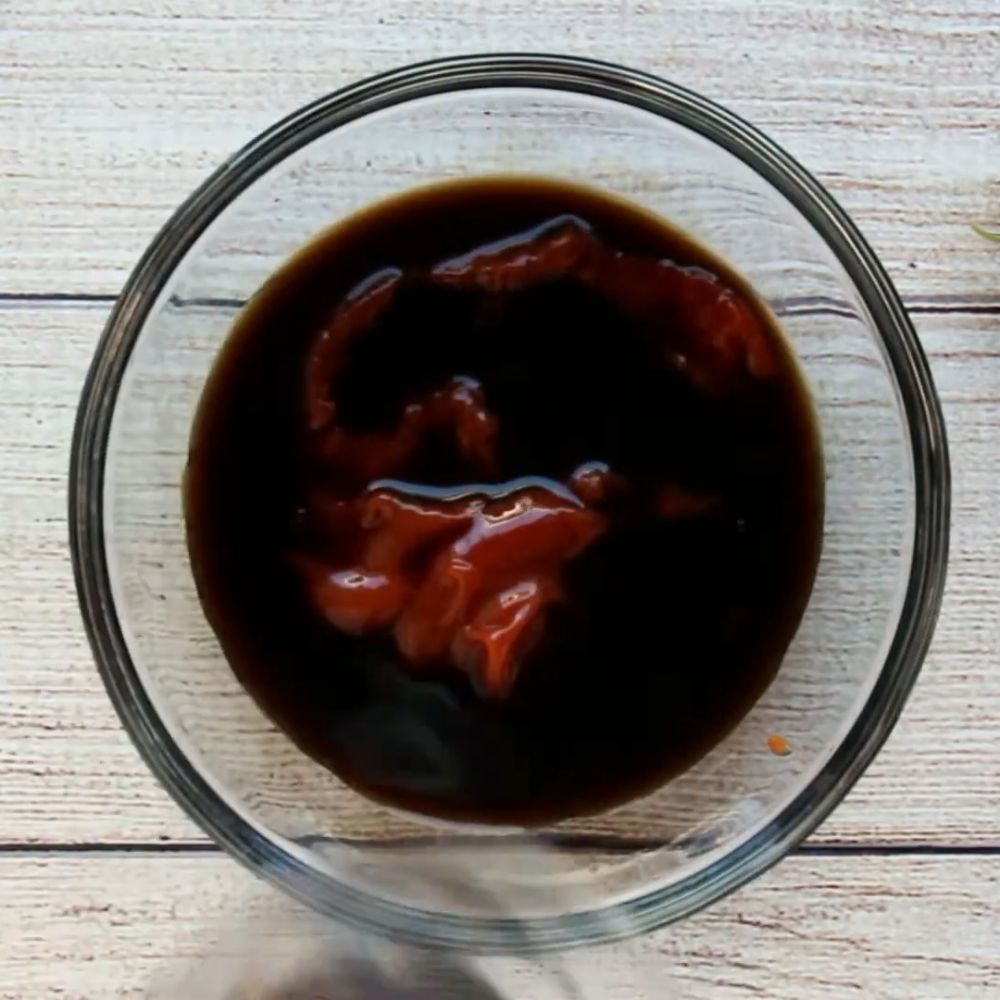
6. Warm It Gently, Optional: Pour the sauce into a small saucepan over low heat for roughly ninety seconds, stirring the whole time. This step gives the sauce a thinner, more pourable texture right off the stove, good for drizzling.
Small bubbles forming at the edge mean it’s warm enough. Pull it before it hits a full simmer.
7. Cool and Store: Let the sauce sit at room temperature for about ten minutes before sealing it in a jar. Warm sauce trapped in a closed jar builds condensation that waters down the flavor and dulls the color. A shallow bowl cools it fastest.
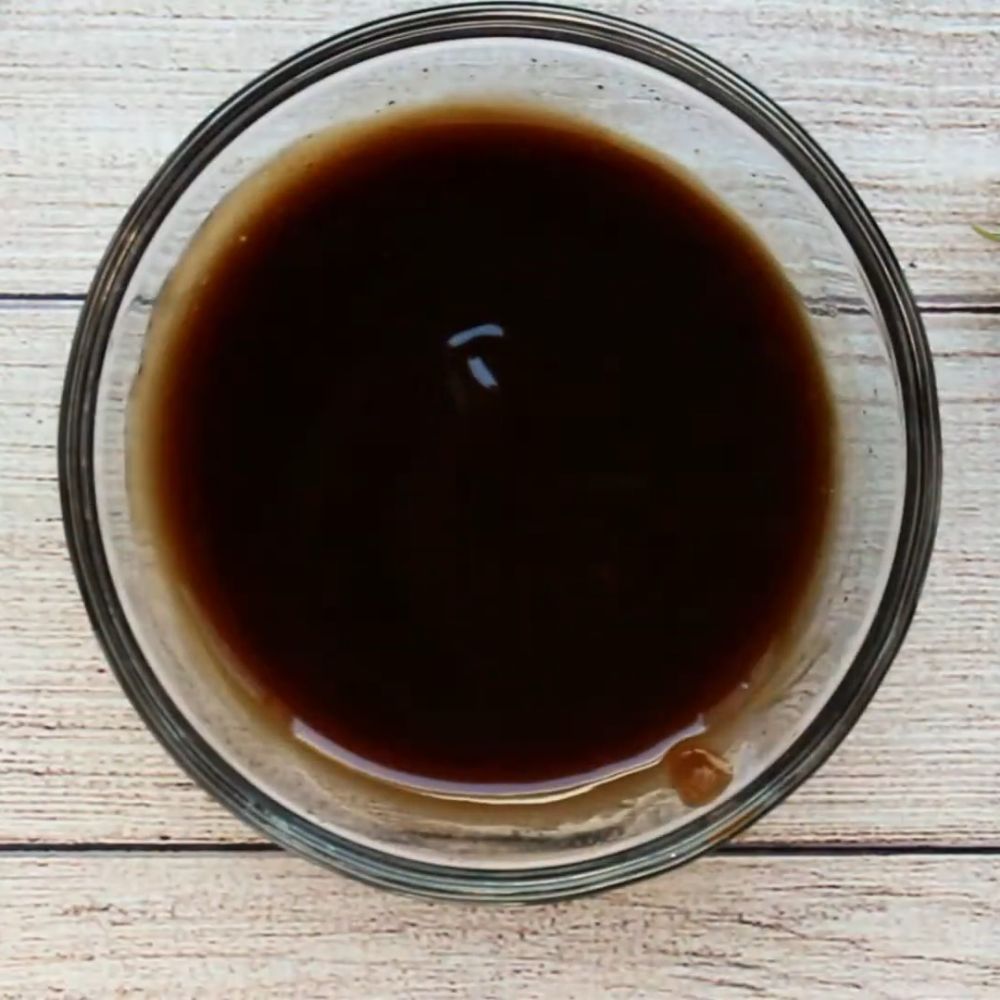
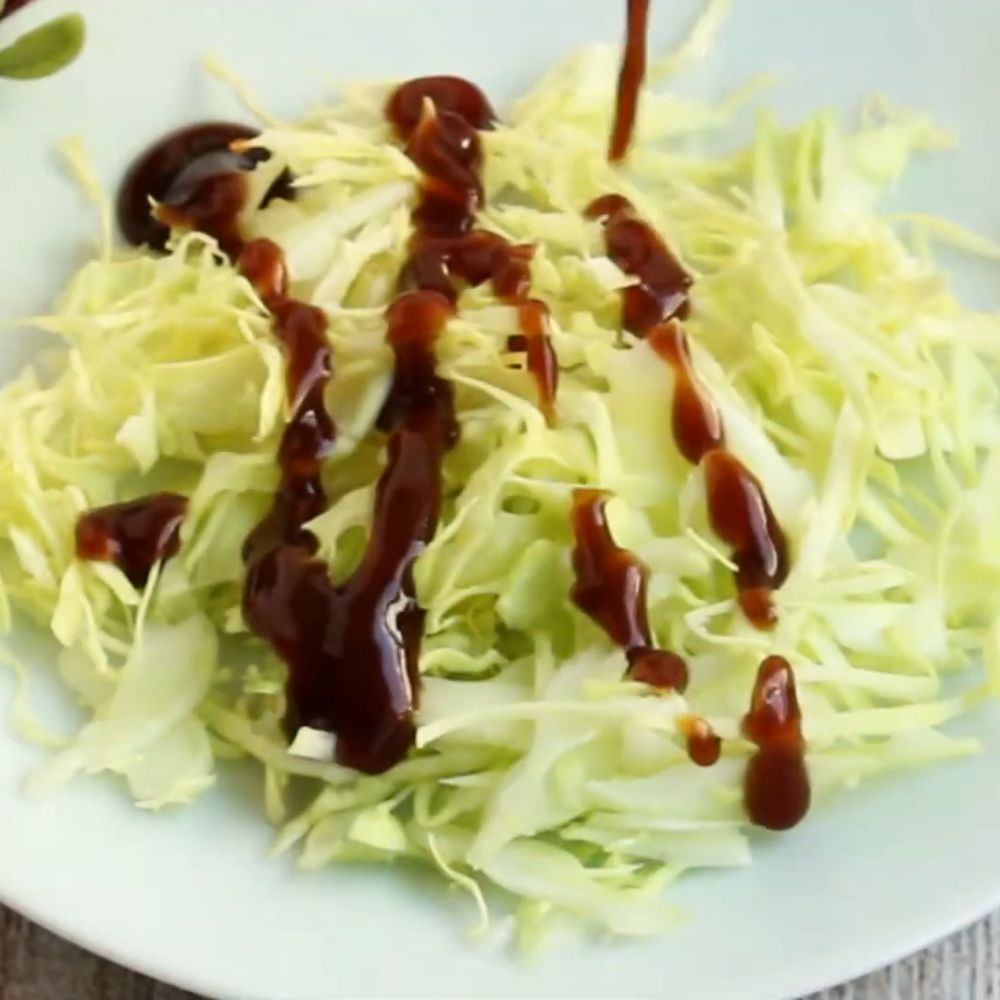
8. Do a Final Taste Check: Dip a piece of cooked chicken into the sauce, not just a spoon, to test real-world flavor. Sauce that clings evenly to the crust, without sliding off, is ready to serve.
Tips for Perfect Katsu Sauce Every Time
1. Sauce Tastes Too Tangy: Add another half teaspoon of brown sugar to mellow out sharp Worcestershire notes.
2. Sauce Separates in the Fridge: Give the jar a firm shake before each use to bring it back together.
3. Color Looks Too Pale: Add an extra half tablespoon of ketchup for a deeper, more orange-red shade.
4. Sauce Turns Gummy After Chilling: Stir in a teaspoon of warm water to loosen it back up.
5. Garlic Flavor Feels Too Strong: Cut the garlic powder down to a scant 1/4 teaspoon next round.
6. Sauce Tastes Too Salty or Heavy: Choose a lighter, less concentrated mushroom stir-fry sauce brand, or cut the amount by a third.
Katsu Sauce Variations to Try
Spicy Katsu Sauce: Stir in a scant teaspoon of sriracha for a slow-building heat. This works well spooned over crispy chicken thighs instead of classic katsu. The color turns a touch darker red too.
Pineapple Katsu Sauce: Blend in a tablespoon of crushed pineapple for natural sweetness and a fruity edge. Good for spooning over grilled spam or teriyaki chicken. Strain it first, so chunks don’t clog the pour.
Garlic Lover’s Katsu Sauce: Double the garlic powder and add a small clove of fresh minced garlic. This version pairs well with plain steamed rice bowls. Expect a sharper, more savory bite overall.
Low-Carb Katsu Sauce: Use sugar-free ketchup and a monk fruit sweetener blend in place of sugar. This keeps the carb count low without changing the texture much. Good for low-carb chicken katsu plates.
Smoky Katsu Sauce: Add a scant 1/8 teaspoon of smoked paprika for a barbecue-style edge. This works well brushed onto grilled chicken thighs in summer. The smell alone gets everyone hovering near the grill.
Soy-Free Katsu Sauce: Swap the mushroom stir-fry sauce for coconut aminos to cut the soy content entirely. The flavor turns slightly sweeter and less salty overall. Good for anyone managing a soy allergy at home.
What to Serve With Katsu Sauce
Chicken katsu is the obvious pairing, since this sauce was built around it. Panko-crusted chicken thighs, sliced and fanned on a plate, soak up the sauce best. Beef or lamb katsu works just as well, with a slightly deeper crunch.
Spam musubi benefits from a drizzle too, especially with a touch of the pineapple variation mixed in. Fried rice also works, stirred in during the last minute of cooking. Loco moco gets a nice lift from a spoonful too.
Mac salad on the side rounds things out, the way most plate lunches serve it. A katsu sandwich, tucked into a soft milk bun, makes a solid lunch option too. Grilled vegetables take well to a light brush of it too.
For a full plate lunch, pair chicken katsu with two scoops of white rice. Add a cold mac salad and a heavy spoon of this sauce on top. A cold can of guava juice finishes it off well.
How to Store and Freeze Katsu Sauce
Refrigerator storage lasts up to 2 weeks in a sealed glass jar, since plastic traps the Worcestershire smell. Label the jar with the date, since it’s easy to forget how long it’s been sitting there. A squeeze bottle also works well for neat drizzling.
Freezer storage stretches to 3 months in a small freezer-safe container, leaving a little room at the top for expansion. Portion it into small cubes first, using an ice tray, for quick single servings later. This makes portioning for single recipes simple later on.
Thawed sauce sometimes separates slightly, so a quick whisk right before serving brings it back to a smooth, pourable state. A splash of fresh Worcestershire brings back any tang lost during freezing.
Reheating a cold batch takes about 20 seconds in the microwave, stirred halfway through, for a warm, pourable finish. Stovetop reheating works too, over the lowest burner setting, stirred often to avoid scorching.
Creative Ways to Use Leftover Katsu Sauce
Leftover sauce works well as a quick marinade for chicken thighs, used within about four days of making it. Thirty minutes of soak time is plenty before grilling, pan-searing, or roasting under the broiler for a quick char.
A spoonful stirred into meatloaf mix, or brushed on top before baking, adds a sweet-savory glaze. This works best with sauce still inside its first week in the fridge, not the last day.
Leftover sauce also works whisked into fried rice, off the heat, right before serving. It gives the whole pan a fast, glossy glaze.
Frequently Asked Questions About Katsu Sauce
1. Can I Use Regular Oyster Sauce Instead?
You can, though it brings shellfish into the mix, which some kitchens prefer to avoid. Mushroom stir-fry sauce gives a very similar deep, umami background note without it, and pours about the same.
2. Is This Sauce Gluten-Free?
Regular Worcestershire sometimes contains barley, so check the label first. Lea & Perrins sold in the United States is labeled gluten-free, and safe for most gluten-free kitchens.
3. Does This Sauce Need Refrigeration Right Away?
Yes, since it contains no vinegar-heavy preservative base like a shelf-stable bottled sauce. Move it to the fridge within two hours of mixing it together, especially in warm weather.
4. Why Does My Sauce Taste Too Sweet?
Too much brown sugar, or a low-sodium Worcestershire brand, throws off the balance fast. Add another half tablespoon of Worcestershire sauce to pull the sweetness back down.
5. What’s the Best Way to Thicken This Sauce More?
Simmer it on the stovetop for an extra minute or two, stirring constantly. A scant half teaspoon of cornstarch mixed with water also thickens it without changing the taste.
6. Does This Sauce Work as a Dipping Sauce for Shrimp?
Yes, tempura shrimp and coconut shrimp both pair well with this sauce. The sweet, tangy base cuts through fried, crispy coatings nicely, without overpowering the seafood underneath.
7. Can I Use Tomato Paste Instead of Ketchup?
Tomato paste works in a pinch, thinned with a splash of water and a little extra sugar. The flavor turns more tomato-forward and less sweet overall.
8. Why Did My Sauce Turn Out Too Thin?
Too much water, added too fast, waters down the whole batch. Simmer it briefly on the stovetop to reduce it back to a thicker, pourable consistency.
L&L Hawaiian Katsu Sauce Recipe
Ingredients
Method
- Pull out a small mixing bowl, a set of measuring spoons, and a whisk before starting anything else. This sauce comes together fast, so having everything within reach saves a mad scramble at the counter.
- Pour 4 tablespoons of ketchup, 3 tablespoons of Worcestershire sauce, and 1 1/2 tablespoons of mushroom stir-fry sauce into the bowl, in that order. Measure each one separately, since eyeballing throws off the whole balance fast, and mushroom stir-fry sauce is potent.
- Add the brown sugar, garlic powder, ground ginger, sesame oil, and pepper, then whisk until fully smooth. Keep going until no gritty sugar sits at the bottom of the bowl, about thirty seconds of steady whisking.The mix should turn a deep reddish brown, glossy, with no visible sugar grains left.
- Whisk in the water one tablespoon at a time, checking the texture after each pour. This keeps the finished sauce pourable, instead of thick like tomato paste straight from the can. Most batches need the full two tablespoons.
- Dip a clean spoon in and taste the sauce plain, before any chicken touches it at all. Add a touch more sugar for a milder batch, or more Worcestershire sauce for sharper tang. Wait a beat between each small adjustment.My very first batch turned out too salty from a heavy-handed Worcestershire pour. An extra teaspoon of sugar and a splash of water fixed it.
- Pour the sauce into a small saucepan over low heat for roughly ninety seconds, stirring the whole time. This step gives the sauce a thinner, more pourable texture right off the stove, good for drizzling.Small bubbles forming at the edge mean it’s warm enough. Pull it before it hits a full simmer.
- Let the sauce sit at room temperature for about ten minutes before sealing it in a jar. Warm sauce trapped in a closed jar builds condensation that waters down the flavor and dulls the color. A shallow bowl cools it fastest.
- Dip a piece of cooked chicken into the sauce, not just a spoon, to test real-world flavor. Sauce that clings evenly to the crust, without sliding off, is ready to serve.
This L&L Hawaiian Katsu Sauce Recipe now lives in a jar in our fridge door, permanently. My husband dips everything in it now, not just chicken katsu, including scrambled eggs on lazy mornings.
Four bottles and ten minutes get you the same sauce we used to drive four hundred miles for. Keep the ratios close to what’s written here, and adjust the sweetness to match your own taste.