Outback Chili Recipe
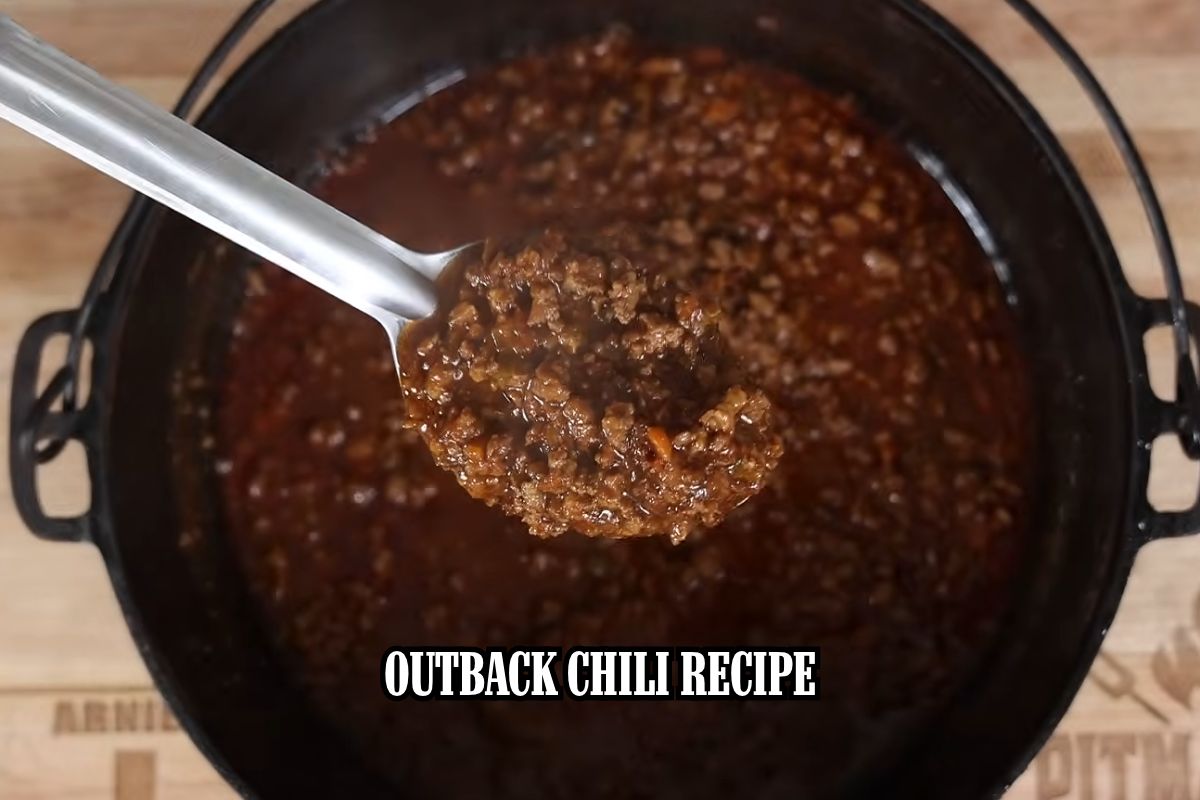
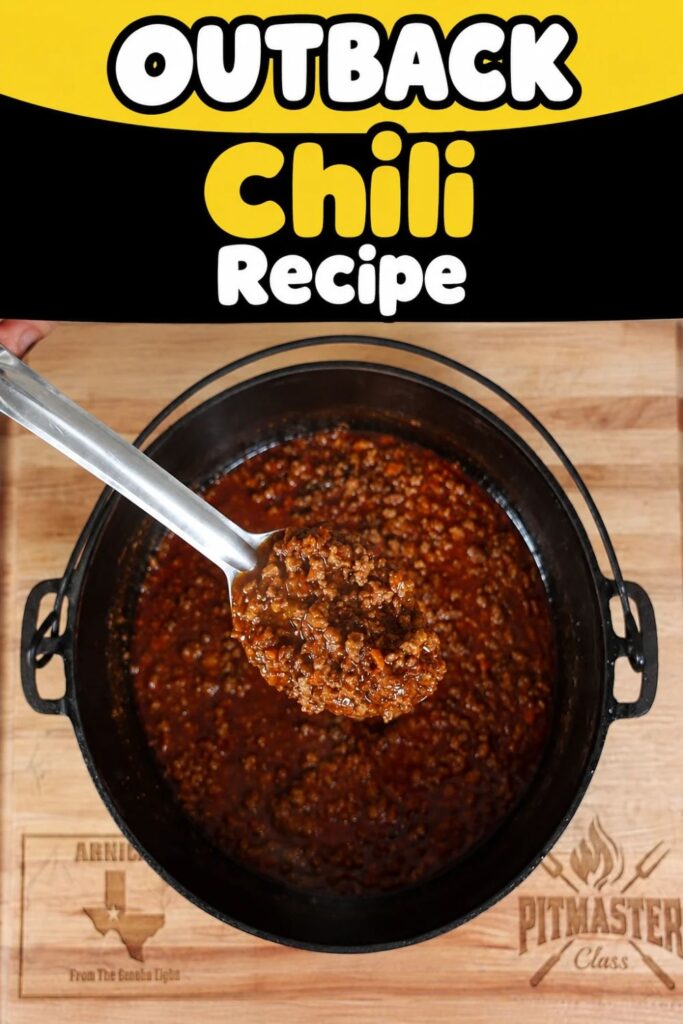
Outback Chili Recipe is the big pot of Texas red I make when it rains outside and home feels like the most comfortable place to be. Recently, my brother’s family came over while it was raining, and my pot had been simmering since noon. The kids ate two bowls each. My brother even cleaned his bowl with a cracker.
If you are new to making chili, remember that your first batch may turn out gray and bland if you crowd the pan, just like I did. Now, I brown the beef in three batches, and it works every time. I tested this chili five times to get it right.
Folks across the USA still crave this style of chili. It is simple, filling, and great for game days and cold nights. No beans, no fuss, just beef and chiles. I use a heavy cast-iron skillet and a big Dutch oven.
Cast iron stays hot when cold meat hits it, so the beef browns fast. A thick pot keeps the long simmer from scorching.
What to Know Before Making This Chili
The dish itself comes from Texas. In the 1800s, the chili queens of San Antonio sold bowls of red from stands in town plazas. Texas named chili its state dish in 1977. Traditional Texas chili is thick, beefy, and made without beans.
Ground beef runs the show here. I brown it well in small batches over high heat. That dark crust gives the chili a deep, meaty flavor and hearty bite. Try this pot on a free afternoon when you have a hungry crowd to feed.
New cooks can do great with this recipe because most of the cooking time is hands-off. If you follow a low-salt diet, note that the bouillon and seasoning add plenty of sodium. People with heartburn or acid reflux may react to the cayenne and tomatoes.
If you are watching your fat intake, choose leaner beef. Skip this recipe or adjust it to fit your needs.
Outback Chili Recipe Ingredients
3 ½ pounds (1.6 kg) 80/20 ground beef: The 20 percent fat melts as the beef browns. That fat carries the spices and keeps the meat tender. You won’t need oil for browning. Ground chuck works the same way. With lean beef, add 2 tablespoons of beef tallow or lard to the pan.
½ medium yellow onion, diced (about ½ cup / 75 g): Yellow onion turns sweet and soft as it cooks. It melts right into the sauce. A white onion gives a sharper bite. Sweet onions are another option.
1 medium green bell pepper, diced (about 1 cup / 120 g): Green pepper adds a fresh, grassy note. It keeps the rich beef from tasting flat. Try a red bell pepper for a sweeter pot. A poblano adds mild heat.
3 garlic cloves, minced (about 1 tablespoon / 9 g): Fresh garlic gives a warm, toasty bite after a quick sauté. Use 1 ½ teaspoons of jarred minced garlic instead.
3 Roma tomatoes, diced (about 1 cup / 185 g): Roma tomatoes have thick walls and few seeds. They break down into the sauce without making it thin. A drained 14.5-ounce can of diced tomatoes is a good swap.
¼ cup (65 g) tomato paste: Tomato paste brings deep tomato flavor and a brick-red color. It also helps thicken the pot. Another option is ½ cup of tomato sauce. Simmer it a little longer to cook off the extra water.
5 cups (1.2 liters) water, divided, plus more as needed: Water lifts the browned bits from the pan. Then it becomes the broth. You can use beef broth in place of water. If you do, leave out the bouillon so the pot does not become too salty.
2 teaspoons Better Than Bouillon Roasted Beef Base: This thick paste packs a deep, roasted beef flavor. It turns plain water into a rich broth. Use 2 beef bouillon cubes instead. Each one adds salt, so taste before adding more seasoning.
For Mirepoix
½ medium yellow onion, chopped (about ½ cup / 75 g): The other half of the onion goes here. Slow cooking makes it extra sweet. Shallots give a softer onion flavor.
¼ cup (30 g) chopped carrots: Carrots add gentle sweetness. They balance the chili powder and cayenne. Chopped baby carrots are just fine. A little parsnip is another choice.
¼ cup (25 g) chopped celery: Celery brings a light, fresh note. It rounds out the base. Try 1/4 teaspoon of celery seed in the spice blend instead.
1 tablespoon (15 ml) vegetable oil: A little oil helps the vegetables soften. They won’t brown too quickly. You can use canola oil, light olive oil, or beef tallow.
For Spice Blend
2 tablespoons light chili powder: Light chili powder gives a bright, mild red base. It sets the main chili flavor. Any plain store-brand chili powder works fine here.
2 tablespoons Gebhardt chili powder, divided: Gebhardt is darker and earthier than most chili powders. Its deep color gives the chili that classic Texas red look. Ancho chile powder is a good swap for a smoky, raisin-like depth.
2 teaspoons smoked paprika, divided: Smoked paprika adds a smoky, campfire-like taste. You don’t need a smoker. Sweet paprika gives color but less smoke. Chipotle powder adds both smoke and heat.
2 teaspoons ground cumin: Cumin is the earthy flavor most folks associate with chili. It pairs well with beef. Toast and grind whole cumin seeds for a stronger aroma.
½ teaspoon dried Mexican oregano: This type tastes bold, with a hint of lemon. It cuts through the rich fat. Regular dried oregano is fine. It tastes more minty and less lemony.
1 teaspoon cayenne pepper: One teaspoon gives gentle warmth in this big pot. It does not make the chili fiery. Use ½ teaspoon for kids. Red pepper flakes are another option.
1 tablespoon SPG seasoning: SPG means salt, pepper, and garlic. I mix 1 teaspoon each of Diamond Crystal kosher salt, coarse black pepper, and garlic powder. Diamond Crystal flakes are light, so it is harder to add too much. A store-bought SPG blend works too, but check the label for salt.
For Thickener
2 tablespoons (14 g) masa harina: This is a fine corn flour made from corn soaked in lime water. It thickens quickly and adds a soft corn tortilla flavor. All-purpose flour does the same job. Cornstarch also works, but uses only 1 tablespoon.
For Toppings (Optional)
Shredded sharp cheddar cheese, to taste: Cheddar melts into a soft, salty layer over hot chili. Monterey Jack or pepper Jack melts just as well.
Diced onion, to taste: Raw onion adds crunch and a sharp bite. Sliced green onions taste milder.
Salsa verde, to taste: This green salsa brings a bright, tangy kick. Pico de gallo is another fresh option.
Ground chile pequin or habanero powder, to taste: Both add serious heat. Sprinkle them around the edges of the bowl. Hot sauce gives a quick kick.
Saltine crackers, for serving: Crisp crackers add crunch to each spoonful. Corn chips or Fritos are good too.
Cooked pinto beans, on the side: I keep beans out of the pot. A small scoop on the side is a family favorite. Black beans make a good swap.
Tools I Recommend for This Outback Chili Recipe
- 12-inch cast iron skillet: Browns beef fast and hard.
- 7-quart Dutch oven with lid: Holds the long, slow simmer.
- Wooden spatula: Scrapes up the brown bits.
- Chef’s knife and cutting board: Dice the veggies evenly.
- Measuring spoons: Keep the spices exact.
- Small mixing bowl: Holds the spice blend.
- Small whisk: Smooths the masa slurry.
- Ladle: Skims fat off the top.
How I Make Outback Chili Recipe
Heat the skillet: Set the cast iron skillet over the highest heat for 4 minutes. A hot pan sears the beef instead of boiling it. A drop of water should dance and vanish in a second. When it just sits and steams, give the pan two more minutes.
Brown the beef in batches: Add about one-third of the beef in small chunks. Leave it alone for 2 minutes, then break it up. Small batches keep the pan hot. You should hear a loud, steady sizzle. When water pools in the pan, spoon it off so the meat fries again. After 4 to 5 minutes, the edges turn deep brown. The center can still be pink.
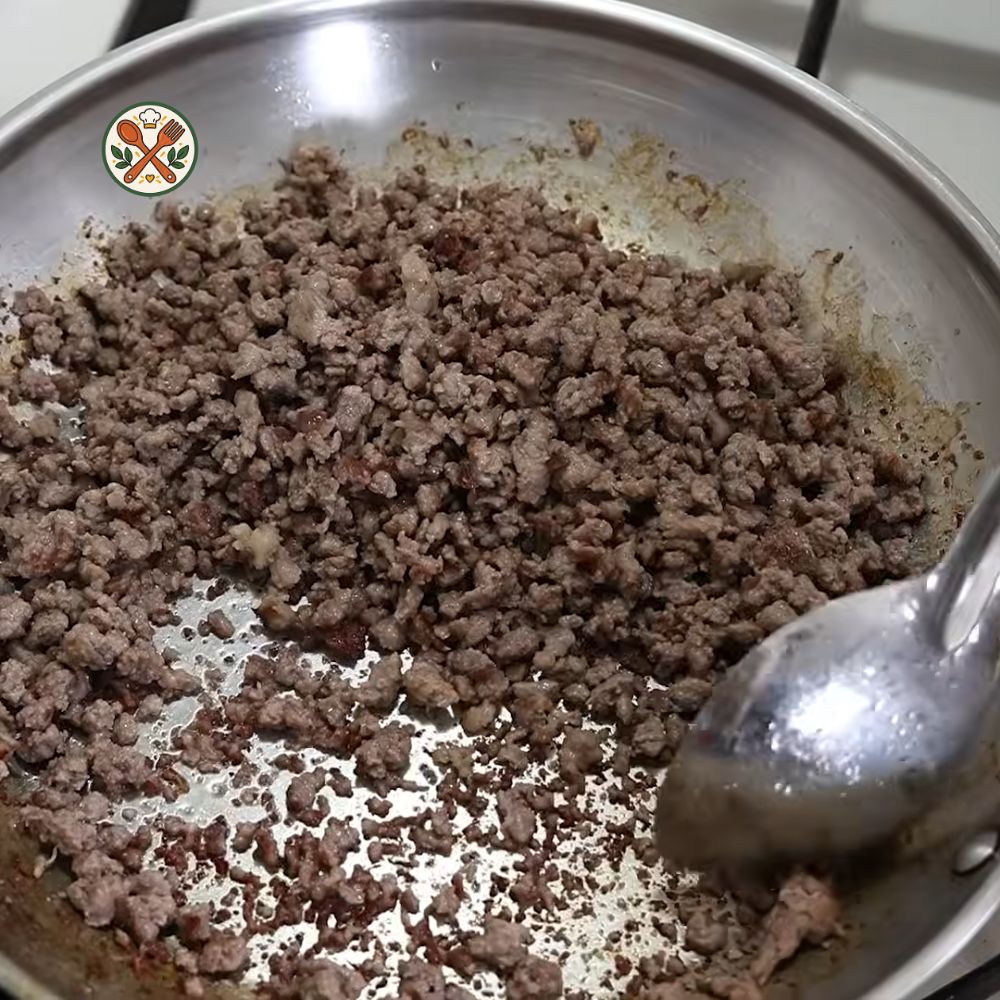
Scrape up the fond: Move the beef to the Dutch oven. Pour ¼ cup of water into the hot skillet and scrape the brown bits loose. Pour that liquid into the pot. The water hisses and turns the color of strong tea. Those bits hold the deepest flavor. Repeat the browning and scraping with the next two batches.
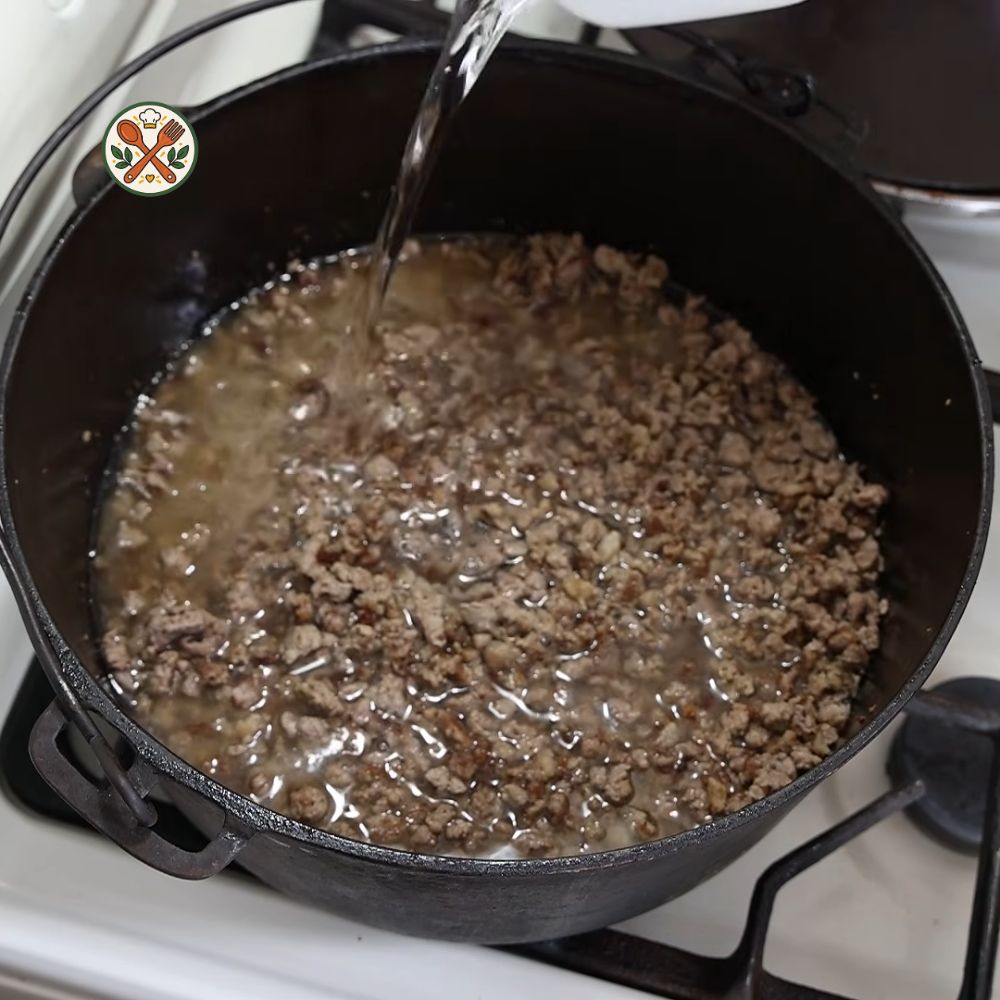
Start the simmer: Add 4 cups of water, or enough to just cover the meat. Bring it to a boil over high heat, then drop to low. Look for small, lazy bubbles. When steam pours out from under the lid, lower the heat more. A hard boil makes the beef tough.
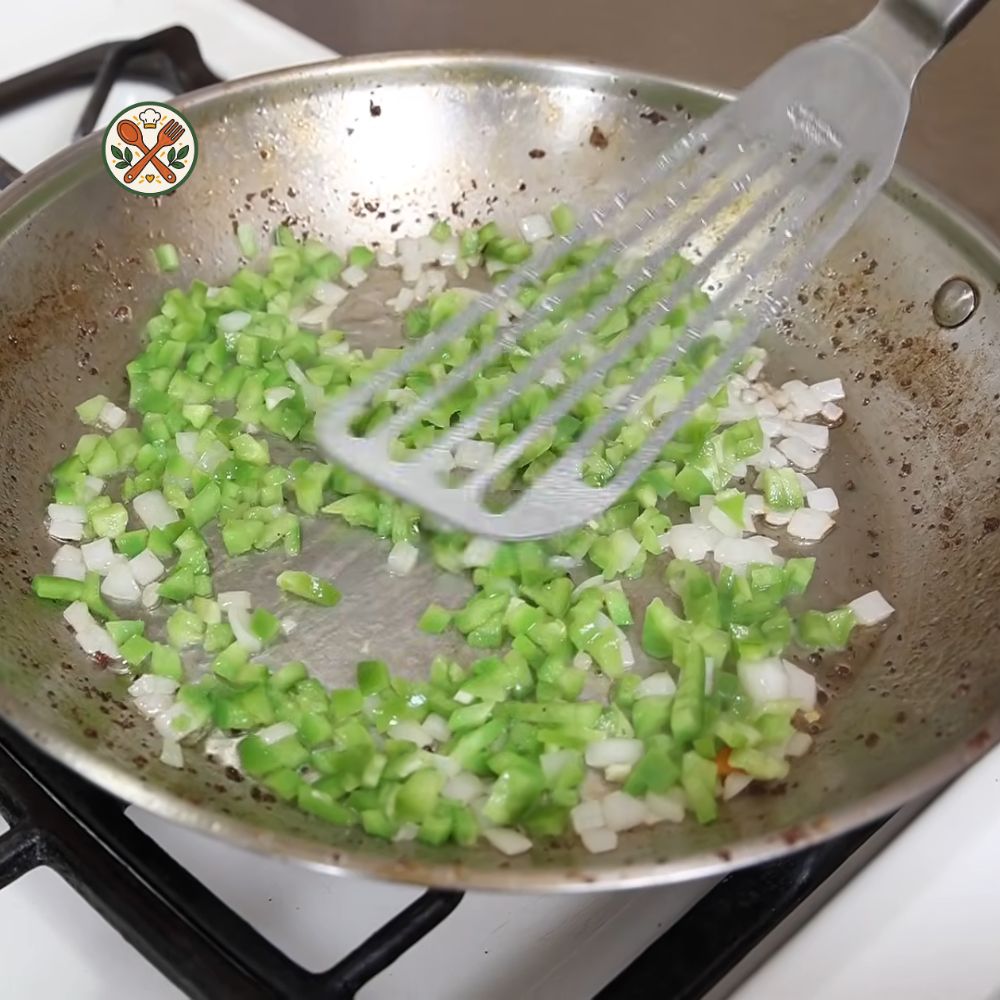
Cook the onion and pepper: Set the same skillet over medium heat. Cook the diced onion and bell pepper for 5 minutes. The beef fat left behind is all the oil you need. Stop when the onion looks see-through and soft. Then add the garlic for 1 minute, until it smells toasty. Burnt garlic tastes bitter, so pull it fast.
Add the tomatoes and paste: Stir in the Roma tomatoes and cook for 3 minutes. Add the tomato paste and stir for 1 to 2 minutes. Scrape it all into the pot. The tomatoes slump and let out their juice. The paste darkens from bright red to brick red. That quick cook takes away the tinny, raw taste.
Sweat the mirepoix: Wipe the skillet, add the oil, and set it to medium-low. Cook the chopped onion, carrots, and celery for 8 to 10 minutes. Add them to the pot. The veggies turn soft and shiny with light gold edges. When they brown too fast, turn the heat down and add a splash of water. Low heat pulls out their natural sugar.
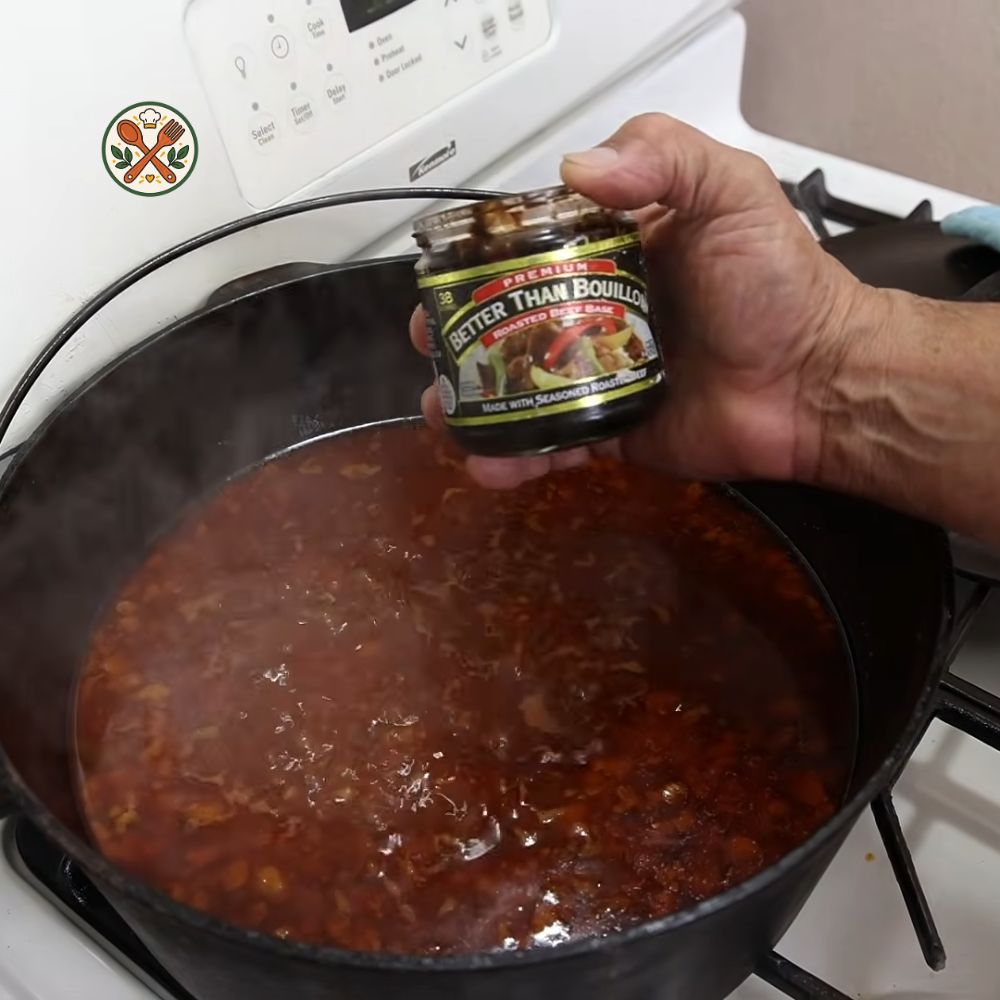
Add the powder dump: In a small bowl, mix the light chili powder, 1 tablespoon Gebhardt, and 1 ½ teaspoons smoked paprika. Add the cumin, oregano, cayenne, and SPG. Dump it all into the pot, stir in the bouillon, and cover. The broth turns a deep rusty red in a minute. Spices bloom in the hot fat, so the flavor reaches every bite.
Simmer and Finish: Keep the lid cracked and cook on low. Stir the bottom every 20 to 30 minutes. After 1 hour, add the last 1 tablespoon Gebhardt and ½ teaspoon smoked paprika. Let it go until it has simmered for 3 hours in all. The beef should feel soft, and the liquid should look like thick gravy. When it gets too thick and sticks, stir in ½ cup of hot water.
Whisk the masa harina with ¼ cup of warm water until smooth. Stir it into the pot and simmer for 10 more minutes. The chili turns glossy and coats the back of a spoon.
Still runny? Simmer for 5 more minutes with the lid off. Too thick? Add a splash of hot water.
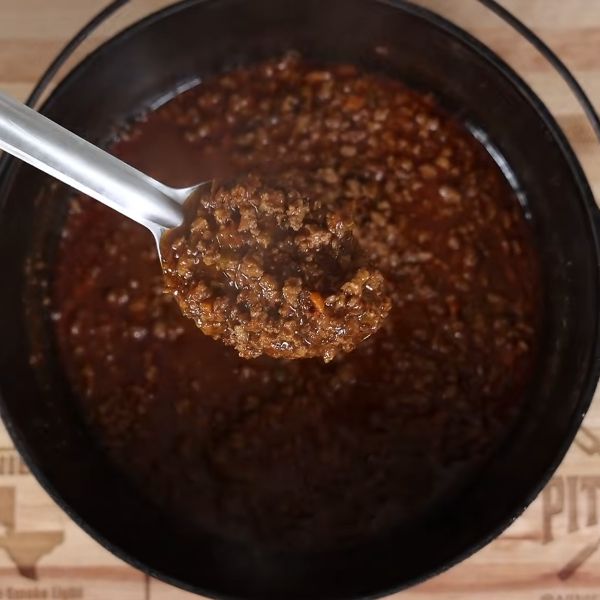
Rest and skim: Turn off the heat and let the pot sit for 10 minutes. Skim off the orange fat that floats up with a ladle. Resting lets the fat rise in one clean layer, so it is easy to remove. The chili below should look deep red and thick. Ladle it into bowls and add your toppings.
Notes for Making the Best Outback Chili Recipe
Salt last: Hold back extra salt until the end. The pot cooks down for hours, so salt gets stronger. I taste it right before the masa goes in.
Use fresh chili powder: Old chili powder tastes dusty and flat. I toss any jar older than a year. Smell it first, and it should smell sharp.
Save a scorched pot: When the bottom burns, do not scrape it up. Pour the chili into a clean pot and leave the black layer behind.
Blot stubborn grease: Lay a paper towel flat on top for one second. It soaks up the thin oil film in a flash.
Mix spices first: Make the spice blend before you brown the meat. Once the browning starts, you won’t have time to measure.
Delicious Variations on Outback Chili Recipe
Bean lovers bowl: Stir 2 drained cans of pinto beans into the pot for the last 30 minutes. They soak up the red sauce.
Extra heat: Add ¼ teaspoon of habanero powder with the spice blend. Or cook 2 diced hot green chiles with the onions. Go slow, since the heat builds.
Chunky steakhouse style: Use chuck roast cut into ½ inch cubes. Brown them hard and simmer until they fall apart on a fork.
Smoky chipotle: Add 2 minced chipotle peppers in adobo with the tomato paste. You get deep smoke and a slow burn.
Dark and rich: Stir in 1 ounce of dark chocolate and a pinch of cinnamon at the 2-hour mark. The color turns almost mahogany.
Green chile twist: Add 1 cup of roasted Hatch green chiles with the bell pepper for a tangy, New Mexico feel.
What I Serve with Outback Chili Recipe
Saltine crackers and a pile of sharp cheddar are my go-to toppings. I crush a cracker into each spoonful for extra crunch. Hot, buttered cornbread from a cast-iron pan is my Sunday pick. The sweet, crumbly bread soaks up every bit of red sauce.
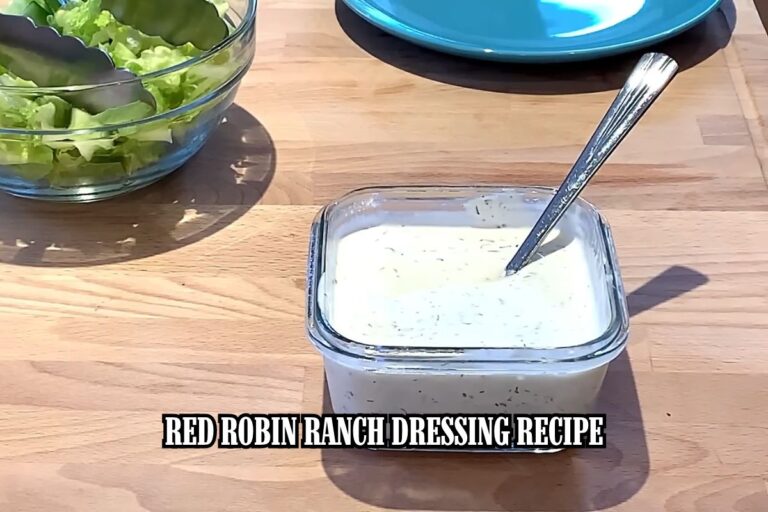
For a steakhouse night, I fry a blooming onion and set out my Outback Bloomin’ Onion sauce. Crisp petals dunked in chili get messy fast. To cool things down, add a crisp wedge salad with ranch. A tall glass of sweet iced tea helps tame the cayenne, too.
Storage Tips
Make-Ahead Advice for Busy Cooks
Chop the onion, pepper, carrots, and celery the night before. Keep them in separate bags in the fridge. Mix the spice blend in a small jar, too. You can also cook the whole pot a day ahead. Overnight, the fat will harden on top. Lift it off in one piece before reheating.
Storing Leftovers
Cool leftover chili within 2 hours. Divide it into shallow, airtight containers so it chills quickly. It keeps in the fridge for 3 to 4 days. For longer storage, freeze it in zip-top freezer bags laid flat. Press out the air to help prevent freezer burn. It tastes best within 3 months.
Thaw frozen chili in the fridge overnight. Reheat it in a pot over medium-low heat with a splash of water. Stir often and heat it to 165°F.
Outback Chili Recipe Leftovers as a New Dish
Frito pie is my top pick. Split open a small bag of Fritos, ladle hot chili inside, and add cheese and onion. Eat it with a fork right from the bag. Chili dogs come next. Grill beef franks, tuck them into soft buns, and spoon thick chili over the top. Finish with yellow mustard and diced onion.
For breakfast, spoon warm chili over a split baked potato. You can also fold it into a cheesy omelet. The thick sauce holds its shape without running.
Outback Chili Recipe FAQs
1. Can I use ground turkey instead of beef?
Yes. Turkey is much leaner, so add 2 tablespoons of oil to the skillet when browning. Cut the simmering time to about 90 minutes. Turkey can turn dry and grainy after three hours. Add a little extra bouillon since turkey has a milder flavor.
2. Can I make this chili in a slow cooker?
Yes. Brown the beef and cook the vegetables on the stove first. Transfer everything to the slow cooker with only 3 cups of water. Cook on low for 6 to 8 hours, then add the masa.
3. How hot is this chili?
It is mild. One teaspoon of cayenne in a large pot adds gentle warmth without much heat. Most kids can handle it. Set out hot toppings at the table so everyone can choose their preferred level of heat.
4. Why does my chili taste bitter?
Bitter chili often comes from burnt garlic, scorched spices, or a burnt pot bottom. Garlic needs only one minute in the pan. A pinch of sugar can soften mild bitterness, but a burnt taste will not go away.
5. Why did my masa form lumps?
Lumps form when dry masa hits hot liquid. The outside swells and traps dry powder inside. Always mix the masa with warm water first. Pour the slurry in slowly while stirring. Mash small lumps against the pot wall with a spoon.
6. How can I tell if leftover chili has gone bad?
Toss chili that smells sour, shows fuzzy spots, or has a slimy film. Bubbles in cold chili are another warning sign. When you are unsure, throw it out. Never taste it to check if it is safe.
7. Why is my chili too salty?
Salt becomes stronger as the liquid cooks off. Stir in 1 cup of water and simmer for 10 minutes. A squeeze of lime or a spoonful of sour cream can also tame the salty edge. Next time, use low-sodium bouillon.
Outback Chili Recipe
Ingredients
Equipment
Method
- Heat the skillet: Set the cast iron skillet over the highest heat for 4 minutes. A hot pan sears the beef instead of boiling it. A drop of water should dance and vanish in a second. When it just sits and steams, give the pan two more minutes.
- Brown the beef in batches: Add about one-third of the beef in small chunks. Leave it alone for 2 minutes, then break it up. Small batches keep the pan hot. You should hear a loud, steady sizzle. When water pools in the pan, spoon it off so the meat fries again. After 4 to 5 minutes, the edges turn deep brown. The center can still be pink.
- Scrape up the fond: Move the beef to the Dutch oven. Pour ¼ cup of water into the hot skillet and scrape the brown bits loose. Pour that liquid into the pot. The water hisses and turns the color of strong tea. Those bits hold the deepest flavor. Repeat the browning and scraping with the next two batches.
- Start the simmer: Add 4 cups of water, or enough to just cover the meat. Bring it to a boil over high heat, then drop to low. Look for small, lazy bubbles. When steam pours out from under the lid, lower the heat more. A hard boil makes the beef tough.
- Cook the onion and pepper: Set the same skillet over medium heat. Cook the diced onion and bell pepper for 5 minutes. The beef fat left behind is all the oil you need. Stop when the onion looks see-through and soft. Then add the garlic for 1 minute, until it smells toasty. Burnt garlic tastes bitter, so pull it fast.
- Add the tomatoes and paste: Stir in the Roma tomatoes and cook for 3 minutes. Add the tomato paste and stir for 1 to 2 minutes. Scrape it all into the pot. The tomatoes slump and let out their juice. The paste darkens from bright red to brick red. That quick cook takes away the tinny, raw taste.
- Sweat the mirepoix: Wipe the skillet, add the oil, and set it to medium-low. Cook the chopped onion, carrots, and celery for 8 to 10 minutes. Add them to the pot. The veggies turn soft and shiny with light gold edges. When they brown too fast, turn the heat down and add a splash of water. Low heat pulls out their natural sugar.
- Add the powder dump: In a small bowl, mix the light chili powder, 1 tablespoon Gebhardt, and 1 ½ teaspoons smoked paprika. Add the cumin, oregano, cayenne, and SPG. Dump it all into the pot, stir in the bouillon, and cover. The broth turns a deep rusty red in a minute. Spices bloom in the hot fat, so the flavor reaches every bite.
- Keep the lid cracked and cook on low. Stir the bottom every 20 to 30 minutes. After 1 hour, add the last 1 tablespoon Gebhardt and 1/2 teaspoon smoked paprika. Let it go until it has simmered 3 hours in all. The beef should feel soft, and the liquid should look like thick gravy. When it gets too thick and sticks, stir in 1/2 cup of hot water.
- Simmer and Finish: Keep the lid cracked and cook on low. Stir the bottom every 20 to 30 minutes. After 1 hour, add the last 1 tablespoon Gebhardt and ½ teaspoon smoked paprika. Let it go until it has simmered for 3 hours in all. The beef should feel soft, and the liquid should look like thick gravy. When it gets too thick and sticks, stir in ½ cup of hot water.Whisk the masa harina with ¼ cup of warm water until smooth. Stir it into the pot and simmer for 10 more minutes. The chili turns glossy and coats the back of a spoon.Still runny? Simmer for 5 more minutes with the lid off. Too thick? Add a splash of hot water.
- Rest and skim: Turn off the heat and let the pot sit for 10 minutes. Skim off the orange fat that floats up with a ladle. Resting lets the fat rise in one clean layer, so it is easy to remove. The chili below should look deep red and thick. Ladle it into bowls and add your toppings.
Notes
Good chili pays you back for patience. Give the beef a hard sear, keep the heat low, and let the clock do its work. Make a pot this weekend and tell me how your bowl of Outback Chili Recipe turns out.