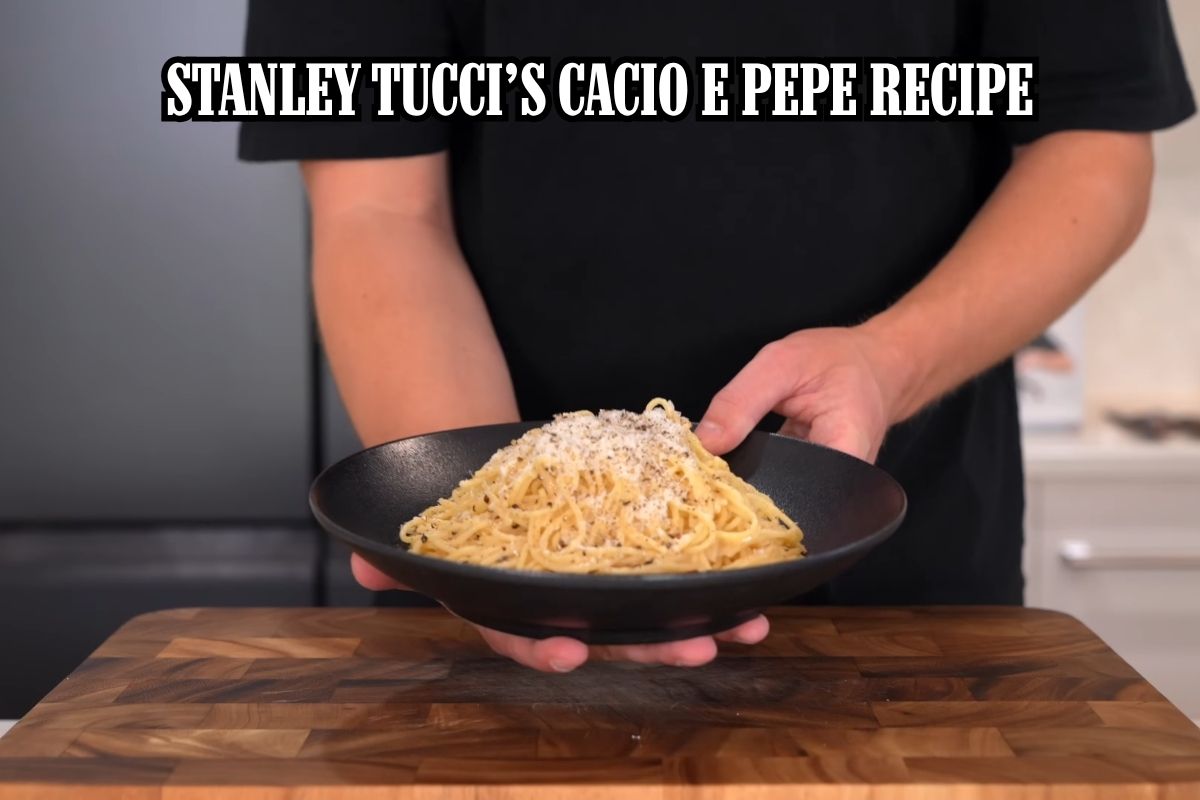
Stanley Tucci’s Cacio e Pepe Recipe
Making Stanley Tucci’s Cacio e Pepe Recipe at home brings classic Italian comfort straight to your table. This Roman pasta dish uses simple pantry ingredients.
My simple method keeps the cheese smooth every single time. Many cooks struggle with clumpy cheese in the pan. I will show you my easy technique to get rich, creamy sauce without any stress.

The Magic of Stanley Tucci’s Cacio e Pepe Recipe
Cacio e pepe means cheese and pepper in Italian. Roman shepherds created this dish centuries ago because hard cheese and dry pasta kept well during travel.
Stanley Tucci showed home cooks that great pasta does not need heavy cream or fancy sauces. Pure cheese and hot pasta water build the silky emulsion.
Cooking this Stanley Tucci’s cacio e pepe recipe takes only fifteen minutes. The clean flavors of aged sheep milk cheese and toasted pepper create true comfort food.
Why My Stove Method Never Clumps
Most kitchen mistakes happen when cheese meets intense heat on an active burner. Direct heat separates the milk solids and turns cheese rubbery.
I cook pasta in a smaller volume of water. This creates concentrated, extra starchy water that acts like a natural sauce binder.
I pull the skillet completely away from the heat before adding cheese. The warm residual steam melts the grated cheese into a velvety glaze.
Stanley Tucci’s Cacio e Pepe Recipe Ingredients
12.3 ounces (350 grams) De Cecco spaghetti: Use rough bronze-cut pasta. Rough pasta releases extra surface starch to thicken the sauce. You can use bucatini or tonnarelli noodles too. Thick long noodles hold the peppery cheese sauce best.
1.5 cups (120 grams) freshly grated Locatelli Pecorino Romano cheese: Use authentic aged sheep cheese. It provides sharp salty punch and melts smoothly. Aged Parmigiano-Reggiano can also work in a pinch. However, real Pecorino Romano delivers the true Roman flavor profile.
1.5 tablespoons (60 to 70 coarse cracks) McCormick whole black peppercorns: Coarsely crush whole peppercorns. Fresh crushing releases spicy aromatic oils. Pre-ground black pepper in a shaker will not give you the same fragrant aroma or crunchy bite.
1 teaspoon Diamond Crystal fine salt: Add this to the pasta water for gentle seasoning. Pecorino Romano is naturally salty, so avoid heavily salting the pasta pot like sea water.
1 cup reserved starchy pasta cooking water: Ladle hot cloudy water straight from the boiling pasta pot. The dissolved starch bonds the hot melted cheese and pepper together into a creamy coat.
Keep all ingredients measured and ready on your kitchen counter before turning on the stove.
Tools I Recommend for This Stanley Tucci’s Cacio e Pepe Recipe
- Large stockpot: Boils noodles with concentrated starch.
- Wide skillet: Toasts pepper and coats pasta.
- Fine microplane grater: Shreds cheese into light clouds.
- Mortar and pestle: Crushes peppercorns to coarse flakes.
- Stainless steel tongs: Tangles and tosses long noodles.
- Deep soup ladle: Scoops hot starchy cooking water.
How to Make Stanley Tucci’s Cacio e Pepe Recipe
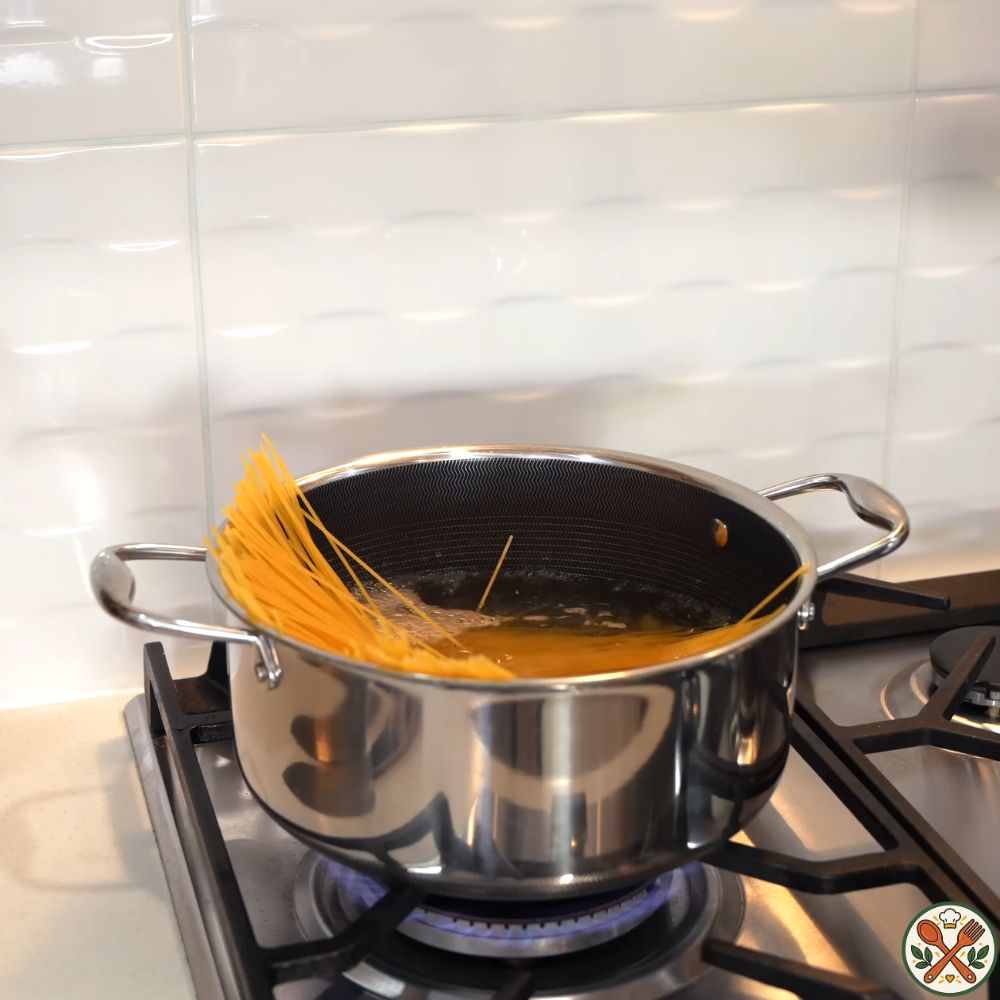
1. Boil the Pasta: Bring four cups of water and one teaspoon of salt to a rolling boil in your stockpot. Drop in the spaghetti and cook two minutes less than package instructions. The pasta should bend easily but stay firm in the center when bitten. The boiling water turns cloudy and pale.
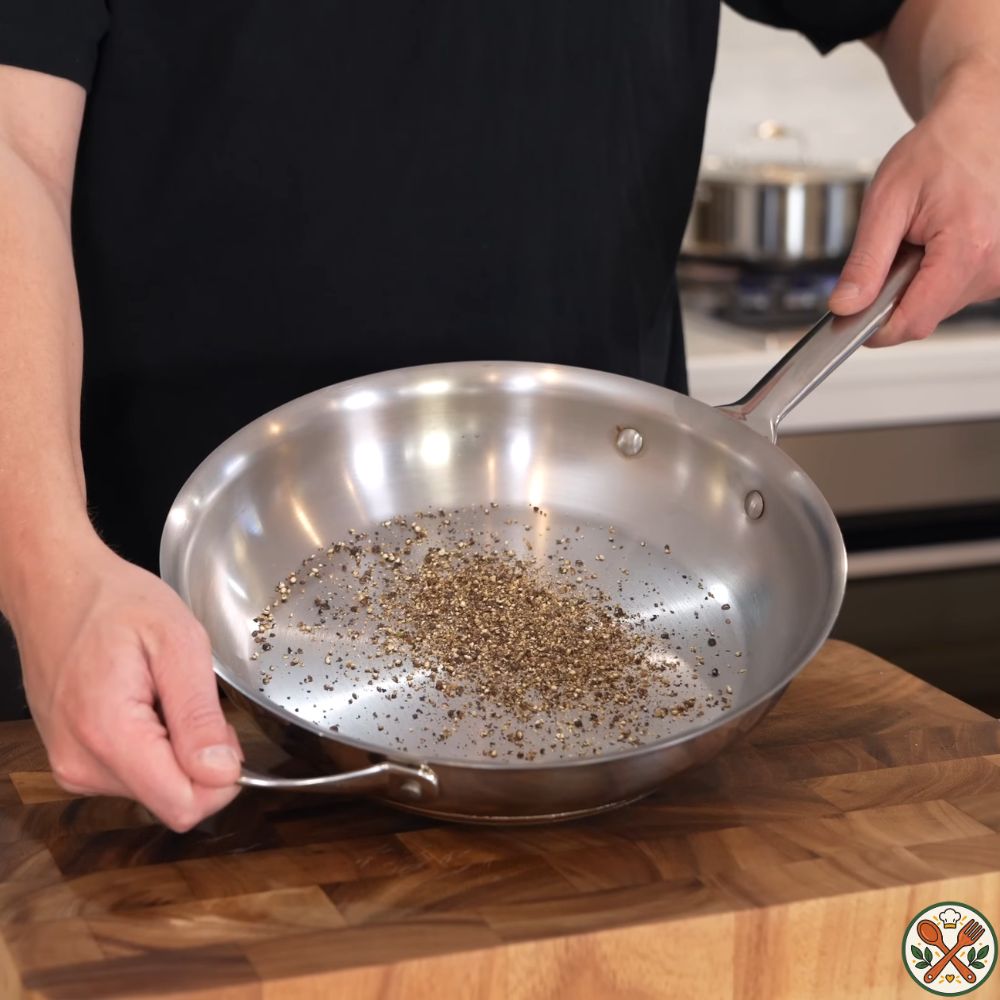
2. Toast the Black Pepper: Place the crushed black peppercorns into a dry wide skillet over medium heat without oil. Toast for two minutes while shaking the pan. The pepper turns warm and fragrant with tiny wisps of steam rising. Turn the heat down when the pan gets too hot.
3. Simmer Starchy Pasta Water: Ladle one cup of bubbling pasta water directly into the toasted pepper skillet. Bring the liquid to a gentle simmer for two minutes. The water bubbles rapidly and turns light gray from the pepper oils. Scrape any stuck pepper flakes from pan edges.
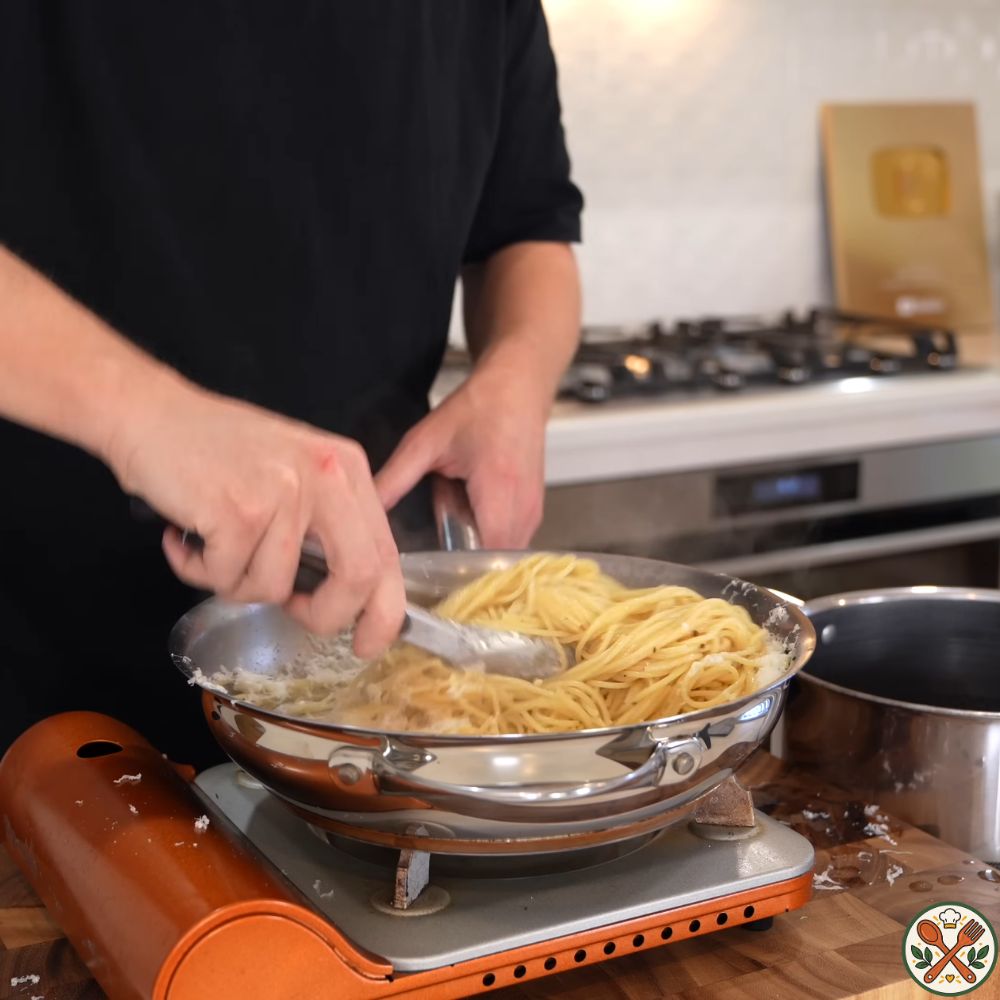
4. Combine Pasta and Sauce Base: Transfer the hot spaghetti straight into the skillet using tongs. Toss for one minute over low heat so noodles soak up pepper water. The noodles look glossy and wet. Liquid coats the bottom of the skillet in a shallow layer.
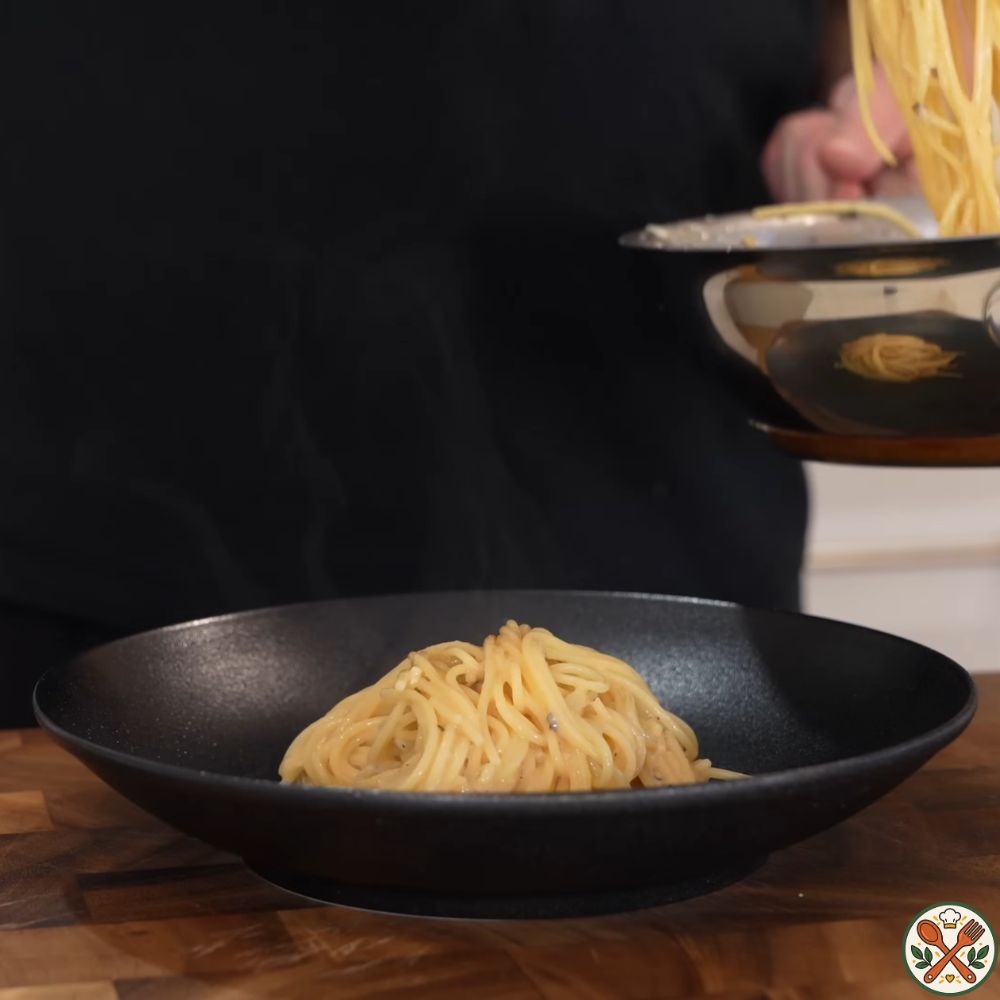
5. Melt the Cheese Off the Heat: Remove the skillet completely from the hot burner. Dump in the finely grated Pecorino Romano and stir vigorously with tongs for thirty seconds. The cheese dissolves into a smooth, silky glaze clinging to every strand. When too thick, splash in two extra tablespoons of warm pasta water.
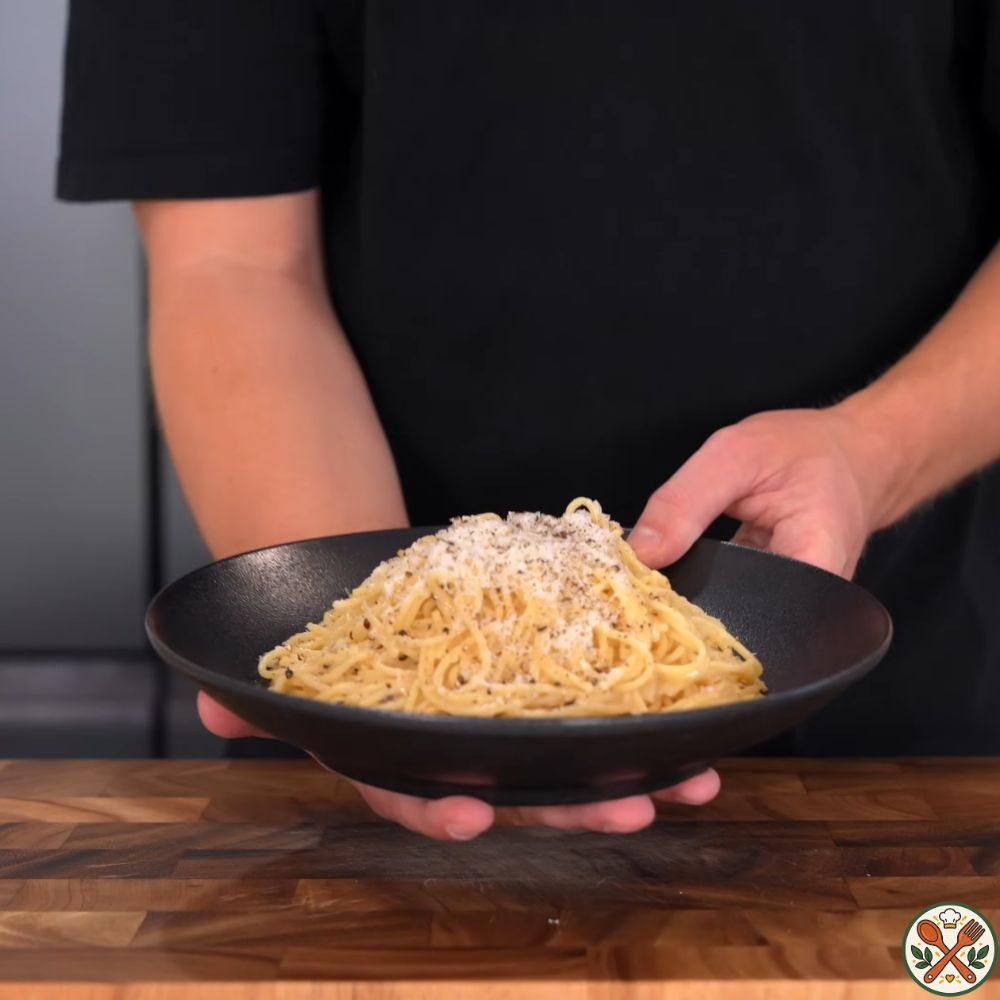
Tips & Notes for Making The Best Stanley Tucci’s Cacio e Pepe Recipe
Always Grate Fresh Whole Cheese: Pre-shredded cheese in plastic tubs contains anti-caking potato starch. That added starch ruins sauce emulsion and creates grainy clumps.
Master Residual Heat Control: Adding cheese over direct burner heat scrambles dairy proteins instantly. Take the pan off the burner so gentle steam melts the cheese smoothly.
Use Less Boiling Water: Cooking pasta in a small pot concentrates natural wheat starches. Starchy water creates a velvety sauce without adding butter or cream.
Crush Peppercorns Coarsely: Coarse cracks give pleasant texture and gentle heat. Fine dust makes the sauce unpleasantly bitter and muddy in color.
Fix Sauce Thickness Quickly: When sauce looks dry or tight, stir in a splash of warm pasta water. When sauce looks watery, toss in an extra spoon of grated cheese.
Delicious Variations on Stanley Tucci’s Cacio e Pepe Recipe
Lemon Pepper Twist: Grate fresh lemon zest over the finished pasta. The bright citrus cut balances rich salty Pecorino Romano cheese beautifully.
Toasted Walnut Crunch: Fold in two tablespoons of toasted chopped walnuts before serving. The soft buttery nuts add delightful crunch to chewy spaghetti.
Truffle Pecorino Upgrade: Use truffle-infused Pecorino cheese instead of regular cheese. A faint earthy aroma pairs wonderfully with hot crushed black pepper.
What I Serve with Stanley Tucci’s Cacio e Pepe Recipe
I serve this rich peppery pasta alongside a crisp garden salad dressed in red wine vinegar. Crunchy lettuce cuts through decadent cheese.
Charred broccolini and roasted zucchini with garlic also balance the plate nicely. Tender green vegetables add fresh color to your dinner table.
Warm crusty Italian bread lets you wipe every drop of peppery cheese sauce from your bowl. Crisp sparkling water makes the meal complete.
How I Store Stanley Tucci’s Cacio e Pepe
Cacio e pepe tastes best eaten hot straight from the skillet. Fresh cheese sauce stiffens quickly as it cools down on plates.
Store leftover pasta in a sealed glass container inside the refrigerator for up to 3 days. Do not freeze this cooked dish.
To reheat, warm the noodles gently in a non-stick skillet over low heat. Splash in three tablespoons of warm water to restore creamy gloss.
Make-Ahead Advice for Busy Cooks
You can grate your Pecorino Romano cheese 2 days early. Store shredded cheese in a sealed container inside the refrigerator.
Crack whole black peppercorns in your mortar a few hours before dinner. Keep crushed pepper in a small pinch bowl on your counter.
Always cook the pasta and build the emulsion right before sitting down to eat. Fresh preparation guarantees smooth, creamy success every time.
Stanley Tucci’s Cacio e Pepe Recipe FAQs
1. Can I use pre-grated Pecorino Romano cheese from a tub?
Never use pre-grated cheese for this recipe. Tub cheese contains anti-caking powders that stop cheese from melting smoothly. Always grate fresh cheese from a solid block using a fine microplane grater.
2. Why did my cheese clump into a rubbery ball in the pan?
Cheese clumps when exposed to excessive heat on an active burner. Always pull your pan completely away from the stove before adding grated cheese. Let the warm residual steam melt the cheese.
3. Can I substitute Parmesan cheese for Pecorino Romano cheese?
Parmigiano-Reggiano can replace Pecorino Romano cheese in equal amounts. Parmesan tastes milder and slightly sweeter than tangy sheep milk cheese, but it melts nicely into hot starchy pasta water.
4. How spicy is this black pepper pasta dish?
This dish offers a warm peppery bite without burning your mouth. Toasty heat blooms gently in hot pasta water. Reduce whole peppercorns to one tablespoon for a milder flavor profile.
5. Can I add butter or heavy cream to help the sauce melt?
Authentic Roman recipes never use cream or butter. Concentrated starch from pasta water builds a rich, velvety sauce naturally. You never need heavy dairy products.
6. Why do I need to use less water when boiling pasta?
Using less water creates concentrated, extra cloudy starch water. That dense starch acts like glue between hot cooking water and melted cheese. It stops greasy sauce separation in your skillet.
7. How do I fix sauce that looks too thin or watery?
When your sauce looks watery, stir in two tablespoons of finely grated cheese off the heat. The extra cheese melts instantly and thickens the emulsion to a rich, creamy consistency.
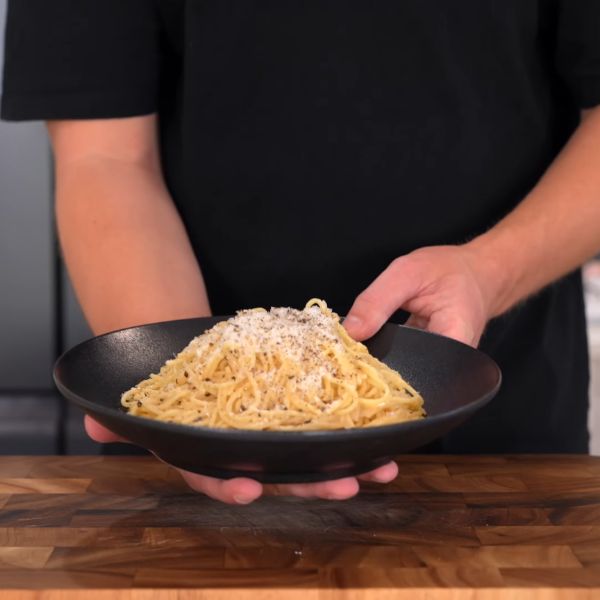
Stanley Tucci’s Cacio e Pepe Recipe
Ingredients
Equipment
Method
- Bring four cups of water and one teaspoon of fine salt to a rolling boil in a stockpot. Drop in the spaghetti and cook for eight minutes, two minutes less than package directions.
- Place the crushed black peppercorns into a dry wide skillet over medium heat without oil. Toast for two minutes while shaking the pan until fragrant.
- Ladle one cup of hot bubbling pasta cooking water directly into the toasted pepper skillet. Simmer gently for two minutes to infuse the pepper oils.
- Transfer the hot spaghetti straight into the skillet using tongs. Toss for one minute over low heat so the noodles absorb the peppery water.
- Remove the skillet completely from the hot burner. Add the finely grated Pecorino Romano cheese and toss vigorously with tongs for thirty seconds until silky and smooth.
Warm your pasta serving bowls with hot tap water before dishing up the noodles. Dry the warm bowls thoroughly. Warm ceramic keeps the cheese sauce silky and creamy at the table.